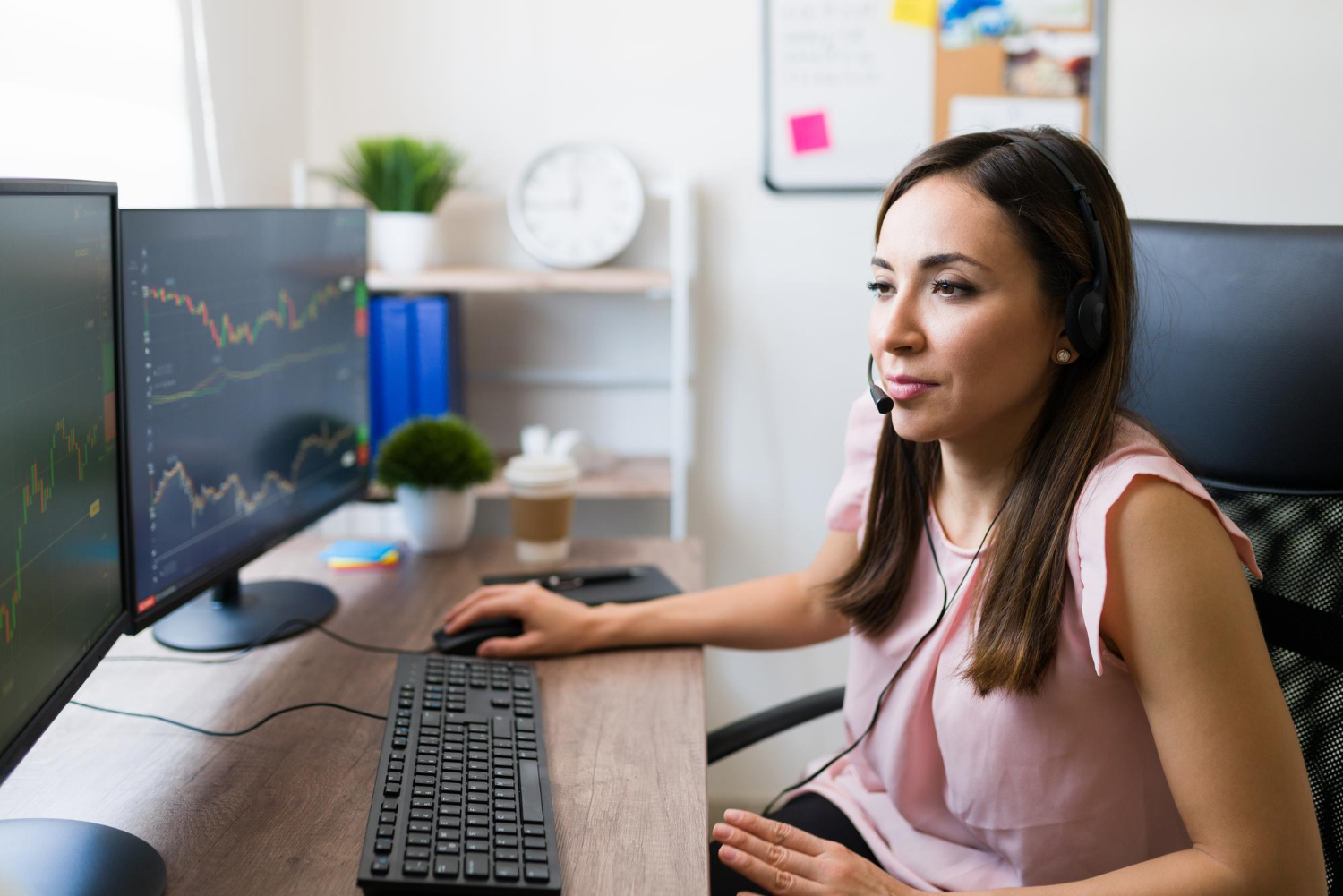
Trading has become an increasingly popular way for individuals in Ghana to grow their wealth and explore financial opportunities. With the rise of online platforms and access to global markets, more people are turning to trading as a means of achieving financial independence. However, choosing the right broker is crucial for success in this fast-paced and competitive field.
Ghana’s trading landscape offers a variety of brokers, each with unique features, fees and services. Whether you’re a beginner or an experienced trader, finding a broker that aligns with your needs can make all the difference. From regulatory compliance to trading tools, understanding what to look for ensures a smoother trading experience.
This article explores the key factors to consider when selecting a trading broker in Ghana, helping traders make informed decisions and maximise their potential in the ever-evolving world of trading.
Overview Of Trading Brokers In Ghana
Trading brokers in Ghana offer varied services, accommodating both beginner and experienced traders. These brokers provide platforms to access Forex, commodities, cryptocurrencies, and indices, enabling participation in global markets.
Regulation and Licences
Regulation of trading brokers in Ghana is overseen by the Ghana Securities and Exchange Commission (SEC). International brokers serving Ghana often adhere to global regulatory frameworks, such as those by the FCA in the UK or CySEC in Cyprus. Regulatory compliance ensures security for traders and mitigates risks like fraud or fund mismanagement.
Trading Platforms
Most brokers operating in Ghana support platforms like MetaTrader 4 (MT4), MetaTrader 5 (MT5), or proprietary systems. These platforms provide tools such as technical indicators, charts, and automated trading capabilities.
Account Types and Features
Brokers typically offer account types catering to different skill levels. Standard accounts serve beginners, whereas VIP or premium accounts target professionals. Features often include leverage options, spreads with fixed or variable pricing, and Islamic accounts for Sharia-compliant trading.
Deposit and Withdrawal Options
Local payment methods like mobile money (e.g., MTN Mobile Money) are widely accepted. International options, including bank transfers and credit/debit cards, are commonly available. Low fees and fast processing times enhance user experience.
Educational Resources
Some brokers offer tutorials, webinars, and demo accounts for skill development. These resources play a critical role in improving trading proficiency, particularly for newcomers.
Customer Support
Brokers accessible in Ghana provide multilingual support through live chat, email, or phone. Availability of 24/5 or 24/7 service ensures assistance during market hours and beyond. Worldwide brokers often include language options relevant to Ghanaian traders.
Factors To Consider When Choosing A Trading Broker
Selecting the right trading broker in Ghana requires an assessment of key factors that influence trading quality and security. Traders should evaluate brokers based on regulations, platforms, fees, and support.
Regulation And Licensing
Regulated brokers ensure safer trading environments by adhering to strict standards. In Ghana, brokers regulated by the Securities and Exchange Commission (SEC) comply with local policies. Many international brokers operating in Ghana hold licences from reputable entities like the Financial Conduct Authority (FCA) or the Cyprus Securities and Exchange Commission (CySEC). Verifying a broker’s regulatory status minimises risks related to fraud or fund mismanagement.
Trading Platforms And Tools
The best brokers offer robust trading platforms equipped with essential tools for market analysis. Platforms like MetaTrader 4 (MT4), MetaTrader 5 (MT5), and cTrader support efficient order execution, customisable charts, and technical indicators. Mobile and desktop compatibility is crucial for trading flexibility. Some brokers also provide proprietary platforms enriched with advanced technology to enhance user experience.
Fees And Commissions
Costs directly impact profitability, making fee structures a critical factor. Common fees include spreads, account maintenance charges, and commissions on trades. Zero-commission brokers typically have wider spreads, while brokers with competitive spreads often charge fixed commissions. Additional costs, such as funding fees or withdrawal charges, should be carefully reviewed to determine the affordability of services.
Customer Support
Reliable customer service ensures timely resolution of issues during trading. Brokers with 24/7 multilingual support via live chat, email, or phone demonstrate higher reliability. Many traders in Ghana benefit from brokers offering assistance in local languages and support tailored to regional payment systems. Evaluating response time and the availability of educational FAQs can indicate the quality of customer support.
Top Trading Brokers In Ghana
Several reputable trading brokers operate in Ghana, providing traders with secure platforms, diverse asset classes, and helpful resources. Below are three notable brokers, their features, and benefits.
Broker 1: Features And Benefits
This broker offers access to Forex, commodities, indices, and cryptocurrencies through platforms like MetaTrader 4 and 5. It provides competitive spreads starting from 0.6 pips and leverage options up to 1:500. Registration is straightforward, with account tiers catering to beginners and professionals. Local payment methods such as mobile money and bank transfers enable seamless deposits and withdrawals. Educational tools, including webinars and strategy guides, support traders in improving their skills.
Broker 2: Features And Benefits
Licensed by multiple regulatory bodies, including Ghana’s SEC and the FCA, this broker ensures trader protection and compliance. It delivers a user-friendly trading platform equipped with advanced charting tools and over 200 tradable assets. Clients benefit from low fees, with zero commissions on specific account types. Multilingual customer support, available 24/5, addresses trader queries effectively. Additional benefits include frequent market analysis updates and demo accounts for risk-free practice.
Broker 3: Features And Benefits
This broker provides a robust range of trading instruments, spanning Forex, stocks, and ETFs, with spreads as low as 0.3 pips. It supports high-speed trade execution and offers integration with trading platforms tailored for algorithmic strategies. Flexible account funding options include international credit/debit cards, Skrill, and local payment systems like MTN Mobile Money. The broker’s dedicated support team operates round-the-clock, ensuring traders have uninterrupted assistance. Regularly updated learning centres educate users on advanced trading techniques.
Advantages Of Using Local Trading Brokers
Local trading brokers in Ghana offer tailored services that align with the specific needs of Ghanaian traders. Their familiarity with the local market and customer preferences helps them provide more relevant solutions.
Local Payment Methods: Local brokers often support regionally popular payment options, such as mobile money services (MTN Mobile Money and AirtelTigo Cash). These methods enable faster deposits and withdrawals, reducing transaction delays linked to international processing.
Regulatory Oversight: Brokers operating within Ghana adhere to regulations set by the Ghana Securities and Exchange Commission (SEC). This regulation ensures added security and legal compliance, protecting users from fraudulent activities.
Accessibility To Support: Local brokers provide customer service tailored to Ghanaian traders, often offering assistance in regional languages like Akan or Ga. This enhances communication and resolves issues more effectively.
Simplified Currency Transactions: Using local brokers removes the need for frequent currency conversions, as transactions are often processed directly in Ghanaian cedi. This helps traders minimize conversion fees and potential losses due to fluctuating exchange rates.
Knowledge Of The Local Market Environment: Local brokers understand the economic, regulatory, and financial landscape in Ghana. Their insights help traders navigate challenges like currency volatility or regional market trends more efficiently.
Challenges And Risks Of Trading In Ghana
Trading in Ghana presents obstacles that traders must address to minimise potential losses. These challenges primarily stem from regulatory limitations, market volatility, and infrastructure issues.
Limited Regulatory Framework
Despite oversight from the Ghana Securities and Exchange Commission (SEC), gaps in enforcement pose challenges. Unregulated brokers or scams targeting inexperienced traders exploit this vulnerability, increasing the risk of fraud.
Market Volatility
Fluctuations in Forex, commodities, and cryptocurrency markets impact profitability. Economic instability, both locally and globally, amplifies risks. Traders without risk management strategies face significant losses during volatile periods.
Infrastructure Limitations
Slow internet speeds and unreliable electricity supply disrupt trading activities. These limitations hinder timely order executions and technical analysis, directly affecting trade outcomes.
Payment System Challenges
Dependency on local payment methods, such as mobile money, introduces risks. Delays in processing withdrawals or deposits during technical malfunctions can result in missed trading opportunities or liquidity issues.
Lack Of Awareness
A significant number of Ghanaian traders, particularly beginners, lack proper trading education. The absence of financial literacy exposes them to improper strategies and higher risks of losses.
Exchange Rate Fluctuations
Forex traders experience additional challenges when converting between the Ghanaian cedi and foreign currencies. Currency depreciation amplifies costs, impacting overall profitability.
Addressing these challenges involves selecting regulated brokers, employing robust risk management, and leveraging educational resources offered by trading platforms.
Conclusion
Choosing the right trading broker in Ghana is a crucial step towards achieving financial success in the trading world. With a variety of brokers offering diverse features, services, and tools, traders have ample opportunities to find options that suit their needs. Prioritising regulated brokers, reliable platforms, and transparent fee structures can significantly enhance the trading experience.
While trading offers exciting prospects, understanding the associated risks and challenges is essential. By leveraging educational resources, adopting risk management strategies, and staying informed, traders can navigate the market more effectively. Whether opting for local or international brokers, making informed decisions ensures a safer and more rewarding journey in the dynamic world of trading.