
Author: Anne Curtis

How to Backtest Strategies on MT5: A Step-by-Step Guide for Nigerians

by Anne Curtis

Imagine turning unproven trading ideas into profitable realities-without risking a single naira. For Nigerian traders navigating volatile Forex markets, backtesting on MT5 is the game-changer endorsed by top brokers like FXTM and HotForex.

This step-by-step guide covers MT5 setup with Naira accounts, coding EAs in MQL5, running tests, analyzing results, and Nigeria-specific optimizations.

Why Nigerians Need Backtesting

Nigerian traders face high account loss rates due to untested strategies amid Naira volatility and wide USD pair spreads. Central Bank of Nigeria regulations prohibit unverified Forex trading, pushing traders toward demo account MT5 practice. Backtesting on MetaTrader 5 helps comply while building reliable approaches.

MT5 strategy tester allows historical data testing of Expert Advisors and custom indicators before live risks. Nigerian traders deal with Naira funding limits, often restricting deposits to local brokers like Exness NG. Backtesting simulates these constraints, including 20-50 pip spreads on major pairs.

Consider a Lagos trader who backtested an EURUSD scalping EA on MT5. This reduced potential max drawdown significantly through strategy optimization. Weekend gaps from the Nigerian time zone and GMT offset also demand specific backtest settings for realism.

Experts recommend backtest strategies to handle CBN rules and local market quirks. Use tick data in every tick model for accurate Forex backtesting. This prepares Nigerians trading for live conditions with better risk management.

Setting Up MT5 for Nigerians

Setting up MT5 takes 15 minutes using Nigerian brokers like Exness, HotForex, or FXTM that comply with CBN guidelines. Local setup matters for Nigerians because it ensures access to Naira demo accounts and regulated data feeds. This avoids issues with offshore platforms blocked by CBN rules.

Choose brokers registered with Nigerian authorities for smooth MT5 download and backtesting. They provide historical data testing tailored to local trading hours in GMT+1. Proper setup supports reliable strategy tester runs for Forex backtesting.

Start with a demo account MT5 to practice backtest strategies without risk. Verify broker compliance to enable features like hedging mode and Naira deposits. This foundation prepares you for EA backtesting and strategy optimization.

Nigerian traders benefit from brokers offering 99% tick data for accurate simulations. Configure settings early to match live conditions, including leverage settings and spreads. This step-by-step guide ensures your MT5 is ready for backtesting gold or EURUSD strategies.

Downloading from Local Brokers

Download MT5 directly from Exness Nigeria or HotForex to ensure CBN-compliant versions with Naira demo accounts. This keeps your setup legal and optimized for Nigerians trading. Visit the broker site first for the latest build.

  • Go to the broker's Nigerian page and select MT5 Desktop or Mobile download.
  • Run the installer, which takes 2 minutes for the 200MB file on most PCs.
  • Launch MT5 and login using your broker credentials from the welcome email.
  • Create a Demo NGN account with $10,000 virtual funds for safe practice.
  • Check Help About for MT5 build 4150+ to support modern backtesting features.

Include screenshots of each step in your notes for quick reference during setup. For the common 'Invalid account' error, double-check credentials or contact broker support. This resolves most login issues fast.

Desktop MT5 excels for MT5 strategy tester tasks like tick data backtesting. Mobile versions suit on-the-go checks of backtest results. Always download from official sites to avoid tampered files.

Configuring Naira Accounts

Configure MT5 for Naira trading: ToolsOptionsInitial Deposit: 100,000 NGN, Leverage: 1:500 (HotForex max). This takes about 10 minutes and aligns with local needs. Follow steps to enable precise Forex backtesting.

  • Open File Open an Account and select NGN as the currency for your demo.
  • Set leverage per broker, sticking to 1:30 CBN max for retail to simulate real rules.
  • Press F1 for Tools Options Common tab, then enable hedging mode for flexible strategies.
  • Adjust server timezone to GMT+1 Nigeria under Tools Options Server.
  • Download 99% tick data via History Center for every tick model accuracy.

Avoid offshore brokers per CBN directive to prevent account freezes. Use Naira settings for authentic drawdown analysis and profit factor checks in backtests. Test with symbols like EURUSD or gold for relevance.

Enable features like slippage settings and commission simulation here. This prepares MT5 for scalping backtest or swing trading optimization. Verify settings match your broker's live feed for reliable results.

Understanding Strategy Tester

MT5 Strategy Tester (Ctrl+R) offers 4 modeling modes: Every Tick (99% quality), Control Points (90%), Open Prices (fastest), Real Ticks (premium data). This tool helps Nigerian traders backtest trading strategies using historical data from their broker's feed. Open it quickly to test Expert Advisors or manual setups on pairs like EURUSD.

Choose modes based on your needs in MT5 backtesting. Every Tick simulates each price movement for high accuracy in scalping backtest. Open Prices run fast for initial checks on swing trading ideas.

Key tabs include Settings for parameters, Graph for equity curves, Report for metrics like profit factor, and Journal for logs. Use F6 shortcut to launch tests instantly. This setup suits Nigerians trading USD pairs amid CBN regulations.

Review results in the Report tab for drawdown analysis and win rate. Graph tab shows balance curves for strategy optimization. Journal flags errors like data gaps in gold backtesting.

ModeSpeedQualityUse CaseExample
Every TickSlow99%Precise EA backtestingEURUSD H1 scalping
Control PointsMedium90%Day trading strategiesGBPUSD M15
Open PricesFastest70%Quick strategy checksGold swing trading
Real TicksVariablePremiumHigh-fidelity tick dataCrypto MT5 pairs

Settings Tab Explained

In the Settings tab, select symbol, timeframe, and date range for historical data testing. Set deposit amount, leverage, and currency to match your demo account MT5. Nigerian traders often pick USD accounts for naira trading stability.

Adjust optimization criteria like balance max or profit factor. Enable genetic algorithm for faster passes in complex EAs. Include slippage, commission, and swap rates for realistic Forex backtesting.

Choose execution mode, market or instant, and hedging/netting per broker rules. Test risk management with stop loss and take profit levels. Save custom inputs for repeated backtests.

Graph and Report Tabs

The Graph tab displays equity curve and balance graph for visual backtest results. Spot drawdowns early in martingale strategy tests. Zoom into periods for detailed analysis on MT5 charts.

Report tab lists trades history, win rate, Sharpe ratio, and maximum drawdown. Check recovery factor for robustness. Export to CSV for further review in Excel.

Compare initial deposit to final balance for performance. Use recovery factor in strategy optimization. Validate against out-of-sample data to avoid curve fitting.

Journal Tab and Shortcuts

Journal tab logs errors, warnings, and initialization details during EA backtesting. Fix issues like invalid stops or data mismatches here. Essential for debugging custom indicators.

Enable visual mode testing to watch trades on charts. Use F6 for quick runs after tweaks. Hotkeys speed up your MT5 tutorial workflow.

For Nigerians, set GMT offset for local time zone in backtest settings. Simulate weekend gaps and news filters. This ensures accurate forward testing plans.

Preparing Your Trading Strategy

Before diving into MT5 backtesting, prepare your trading strategy by converting manual approaches to Expert Advisors (EAs) or downloading free ones from the MT5 Marketplace. This step ensures compatibility with the MT5 Strategy Tester for accurate historical data testing. Nigerian traders often start with simple setups like moving average crossovers on USD pairs.

Convert manual strategies to EAs using MQL5 coding or explore over 5000 strategies available in the MT5 Marketplace. Focus on EAs suited for Forex backtesting on symbols like EURUSD or GBPUSD. Test them first on a demo account MT5 to match Nigerian Forex brokers' conditions.

Key preparation includes defining strategy parameters such as lot size, stop loss, and take profit. Incorporate risk management like fixed fractional sizing for naira trading accounts. This setup allows reliable EA backtesting before live transitions.

Download free EAs like basic scalpers from the MQL5 community. Adjust inputs for backtest settings including leverage and deposit amount. Proper preparation leads to trustworthy backtest results with clear equity curves.

Coding EAs in MQL5

Open MetaEditor (F4) then new EA template: #property version "1.00" and add simple MA crossover logic. This tool comes built-in with MetaTrader 5 for creating custom Expert Advisors. Nigerian traders use it to build strategies for local market hours and GMT offset.

Follow these numbered steps to code a basic EURUSD MA strategy for MT5 backtesting:

  • Install MetaEditor from MT5 (press F4).
  • Copy the template code and add inputs like FastMA=10, SlowMA=20.
  • In OnTick() logic, check if Fast MA> Slow MA then Buy().
  • Add opposite for Sell() if Fast MA
  • Compile with F7 and fix errors.

Here is a 15-line sample code for the MA crossover EA:

#property version "1.00" input int FastMA=10; input int SlowMA=20; int fast, slow; void OnTick() { fast = iMA(NULL,0,FastMA,0,MODE_SMA,PRICE_CLOSE,0); slow = iMA(NULL,0,SlowMA,0,MODE_SMA,PRICE_CLOSE,0); if(fast> slow && OrdersTotal()==0) OrderSend(Symbol(),OP_BUY,0.01,Ask,3,0,0); if(fast

Download alternatives like 'Scalper EA' free from MQL5.com for quick starts. Test in visual mode with every tick model for realistic slippage and spread settings. Optimize parameters using genetic algorithm in the Strategy Tester for better drawdown analysis.

Configuring Backtest Parameters

Optimal settings like EURUSD on the H1 timeframe with a $10,000 deposit, 1:100 leverage, and 2020-2024 period yield reliable results for MT5 backtesting. These parameters help Nigerian traders test trading strategies against historical data effectively. Adjust them based on your Expert Advisors or manual rules.

In the MT5 Strategy Tester, start by opening the panel via View> Strategy Tester or Ctrl+R. Set the initial deposit to match your live account, select account currency like USD for Nigerians trading, and input leverage settings from your broker. Enable hedging mode or netting as per your style.

Choose optimization criteria such as balance max or profit factor for refining EAs. Pick every tick based on real ticks for high accuracy in Forex backtesting. Include commission simulation, swap rates, and slippage to mimic real conditions.

For the backtest period, use at least one year of data, setting from and to dates carefully. Test with demo account MT5 settings first. Review drawdown analysis and equity curve post-run for insights.

Selecting Symbols and Timeframes

Nigerians should prioritize USD pairs: EURUSD for tightest spreads, GBPUSD for trending moves, and XAUUSD for Gold hedging against Naira volatility. These suit MT5 backtest strategies due to reliable broker data feeds. Avoid exotics with wide spreads that distort results.

Follow these steps for symbol selection and data prep. First, go to the Symbols tab, select your pair, and download history for at least one year. Ensure 99% modeling quality by using real ticks.

SymbolAvg SpreadBest TFStrategy Type
EURUSD1.2 pipsH1Scalping
GBPUSD1.5 pipsH4Swing trading
XAUUSD20 pipsH1Hedging

Select timeframe selection from M1 to H4 based on your style: M1 for scalping, H1 for day trading strategies. Use every tick model over open prices only for precision in tick data. This setup supports EA backtesting accurately.

Check symbol properties for lot size, like micro lots for risk management. Test multi-currency backtest for portfolio strategies. Verify data quality to avoid gaps from weekends or news events.

Running the Backtest

Click Start in the Strategy Tester for an average EURUSD H1 test, which takes about 3 minutes locally or 30 seconds via MQL5 Cloud Network. This launches your MT5 backtesting process with selected Expert Advisors. Nigerian traders often prefer quick runs to fit busy schedules.

Follow these numbered steps to set up and run the backtest properly. First, load your EA into the tester and adjust parameters like lot size or stop loss. Set the modeling quality to Every tick for precise tick data simulation.

  • Load EA and set parameters such as risk percent or take profit levels tailored to Nigerian Forex brokers.
  • Choose Every tick mode for realistic real ticks and spread settings at 15, matching NG broker averages.
  • Enable Visual mode with Ctrl+R to watch trades on MT5 charts in real-time.
  • Run the test by pressing F6 or the Start button.

Compare speeds: Local Agent is free but slower for complex scalping backtests, while Cloud Network costs 0.24$ per core hour yet finishes gold backtesting or GBPUSD strategies much faster. Pro tip: Use a VPS for overnight tests to handle long backtest periods without interruptions, ideal for swing trading analysis.

Monitor backtest results like profit factor and drawdown analysis during the run. Adjust leverage settings and deposit amount to match your demo account MT5 setup. This ensures reliable strategy optimization for live naira trading on USD pairs.

Analyzing Backtest Results

Target metrics: Profit Factor> 1.8, Max Drawdown <15%, Win Rate 55%+, Sharpe Ratio> 1.2 for live trading transition. These benchmarks help Nigerian traders assess MT5 backtesting performance before risking real capital on USD pairs like EURUSD. Focus on them during strategy tester reviews to ensure reliability.

Start by opening the backtest report in MetaTrader 5 after running your EA backtesting. Check the equity curve for smooth upward trends without sharp drops. Export results to CSV for deeper analysis in Excel, following MT5's built-in export steps.

A rising balance graph indicates consistent profits, while dips signal risk issues. Use historical data testing with 99% modeling quality for accurate insights. Nigerian traders should prioritize low drawdowns due to CBN regulations and naira volatility.

Review trades history for patterns in wins and losses. Combine this with drawdown analysis to validate risk management like stop loss testing. This step-by-step guide ensures your trading strategies withstand real market conditions.

Key Metrics to Evaluate

Examine seven essential metrics in the MT5 strategy tester report for comprehensive backtest results analysis. Each provides unique insights into strategy robustness. Prioritize them sequentially for balanced evaluation.

1. Total Net Profit measures overall gains after costs, aiming for substantial returns like $5000+ in extended tests. Calculate it as final balance minus initial deposit. High values suggest viability for demo account MT5 progression.

2. Profit Factor uses the formula gross profit divided by gross loss. Values above 1.8 indicate profitable systems where wins outweigh losses. Track this during strategy optimization with genetic algorithms.

Drawdown and Risk Metrics

3. Max Drawdown % shows peak-to-trough decline, analyzed via the graph for duration and depth. Keep it under 15% to protect capital in Forex backtesting. Long drawdowns may require trailing stop adjustments.

4. Win% vs Avg Win/Loss compares win rate to average trade sizes. A 55%+ win rate with larger average wins than losses supports consistency. Balance this for scalping backtest or swing trading setups.

5. Expectancy calculates average profit per trade, factoring wins, losses, and frequency. Positive values confirm edge over time. Use it with tick data in every tick model for precision.

Advanced Performance Indicators

6. Recovery Factor divides net profit by max drawdown, targeting> 4 for strong recovery. High ratios mean quick bounces from losses. Ideal for Nigerian traders facing weekend gaps and swap rates.

7. Sharpe Ratio assesses risk-adjusted returns, with> 1.2 signaling good performance. It penalizes volatility, aiding live trading transition. Compute it externally if MT5 lacks direct display.

Reading the Equity Curve

The equity curve plots balance over time, revealing strategy stability. Look for steady climbs with minimal flats or drops. Jagged lines warn of over-optimization or curve fitting.

Smooth curves validate backtest validation across date ranges. Compare in-sample and out-of-sample periods for robustness. Nigerian traders benefit from GMT offset alignment in MT5 settings.

Spot correlation in multi-currency backtests here. Use visual mode testing to simulate slippage settings and commissions. This guides parameter sensitivity tweaks.

Exporting Results to CSV

In the strategy tester, select your backtest and click Export. Choose CSV format to save trades history and metrics. Open in Excel for custom charts and Monte Carlo simulation.

Steps: Right-click report tab, pick Save As, select CSV. Filter columns for win rate, expected payoff, and lot sizes. This enables walk-forward analysis and portfolio backtesting.

Combine with HTML report screenshots for records. Adjust spread settings and re-export for comparisons. Essential for forward testing before VPS trading deployment.

Optimizing Strategies for Nigeria

Use Genetic Algorithm with 1000 passes targeting Profit Factor maximization over 2022-2024 data, then validate with Walk-Forward Analysis. This approach helps Nigerian traders refine trading strategies in MT5's Strategy Tester. It accounts for local market conditions like Naira rollover costs.

Open the Optimization tab and select Genetic mode for efficient parameter searches. Set custom criteria such as Profit Factor*100 - Drawdown to balance returns and risk. Run 100-500 passes to generate viable sets without excessive computation time.

After optimization, review the Optimization Graph closely. Look for smooth equity curves to avoid curve-fitting, where strategies overfit historical data. For Nigerians, always include swap rates reflecting Naira pairs or USD accounts from local brokers.

Implement walk-forward analysis by splitting data: 70% in-sample for optimization, 30% out-of-sample for validation. Test an optimized scalping EA on EURUSD with Nigerian Forex brokers data, adjusting for CBN regulations and variable spreads. Export results to CSV for further drawdown analysis.

Common Pitfalls and Fixes

Pitfall #1: Over-optimization (curve fitting) plagues many MT5 backtesting efforts. Traders tweak parameters until backtest results look perfect on historical data. This often leads to strategies that fail in live Nigerian Forex brokers environments.

Research suggests most overly fitted trading strategies struggle with real market shifts. Use Monte Carlo simulation in MT5 to test robustness. Go to Tools, then Tester, and select Optimization types for this feature.

A Lagos trader lost 2M to overfitting before fixing it with out-of-sample testing. He split data into in-sample for optimization and out-of-sample for validation. This simple step revealed the strategy's true drawdown analysis.

Other key pitfalls include poor data quality, ignoring spreads, and skipping forward testing. Address them systematically to improve backtest results. Follow the fixes below for reliable Forex backtesting.

1. Overfitting and Monte Carlo Simulation

Overfitting happens when strategy optimization matches noise in historical data, not real patterns. In MT5 strategy tester, limit genetic algorithm passes to avoid this. Run Monte Carlo simulation afterward to randomize trades and check stability.

Access it via Tools > Tester > Optimization types in desktop MT5. Set parameters like trade shuffling or slippage variations. This tests parameter sensitivity for Nigerian traders facing volatile USD pairs.

For example, backtest a EURUSD scalping strategy on every tick model first. Then apply Monte Carlo to simulate worst-case scenarios. Aim for consistent profit factor across runs.

2. Poor Data Quality

Low-quality historical data skews MT5 backtesting results. Always aim for 99% modeling quality with real ticks from your broker's feed. Download fresh tick data via symbol properties in the strategy tester.

Poor data misses gaps from Nigerian time zone offsets or weekend simulations. Select real ticks mode over open prices only for accurate EA backtesting. Verify quality in the journal tab post-backtest.

Nigerian traders often use demo account MT5 for this. Refresh data for symbols like GBPUSD or gold to match CBN-regulated brokers. High-quality tick data ensures realistic equity curve paths.

3. Ignoring Spreads

Backtests without spreads give false profit expectations. Nigerian brokers often charge 20-pip spreads on majors during naira trading hours. Set realistic values in backtest settings under spreads and commissions.

Enable variable spread simulation for market execution modes common in MT5. Include swap rates and slippage for day trading strategies. This matches live conditions on VPS trading setups.

Test with fixed spread first, then variable to analyze impact on win rate. For scalping backtests, wide spreads kill edges quickly. Adjust to your broker's feed for honest Sharpe ratio readings.

4. No Forward Testing

Backtests alone do not predict live performance. Always follow with forward testing on a demo account MT5 for at least three months. This catches issues like news filter gaps or rollover settings.

Paper trade in visual mode testing to monitor trades history and drawdowns. Use walk-forward analysis in MT5 for periodic re-optimization. Nigerian traders benefit from this amid economic calendar events.

Transition to live only after matching backtest and forward stats like recovery factor. Schedule re-optimization to combat curve fitting over time. This builds confidence in risk management rules.

Frequently Asked Questions

How to Backtest Strategies on MT5: A Step-by-Step Guide for Nigerians - What is backtesting in MT5?

Backtesting in MT5 involves testing your trading strategies on historical data to evaluate their performance before live trading. How to Backtest Strategies on MT5: A Step-by-Step Guide for Nigerians starts with opening MT5, a popular platform accessible via Nigerian brokers like HotForex or XM that support Naira deposits.

How to Backtest Strategies on MT5: A Step-by-Step Guide for Nigerians - What are the system requirements for MT5 backtesting?

MT5 backtesting requires a Windows PC or VPS with at least 4GB RAM for smooth operation, especially with high-quality tick data. Nigerians can download MT5 from regulated brokers' sites, ensuring compatibility with local internet speeds common in Lagos or Abuja.

How to Backtest Strategies on MT5: A Step-by-Step Guide for Nigerians - How do I download historical data for backtesting?

In MT5, go to Tools> History Center, select your pair (e.g., EURUSD), and download data. For accurate results, use "Every tick based on real ticks" mode. Nigerians should choose brokers providing quality data to avoid slippage issues from poor connections.

How to Backtest Strategies on MT5: A Step-by-Step Guide for Nigerians - What steps are involved in creating and backtesting an EA?

Create an Expert Advisor (EA) in MetaEditor, compile it, attach to a chart via Navigator, and run Strategy Tester (Ctrl+R). Set dates, model, and optimize. This How to Backtest Strategies on MT5: A Step-by-Step Guide for Nigerians emphasizes testing on Naira pairs like USDNGN if available.

How to Backtest Strategies on MT5: A Step-by-Step Guide for Nigerians - How can Nigerians access MT5 brokers for backtesting?

Nigerians can sign up with CBN-regulated or international brokers like FBS or Deriv offering MT5 with Naira funding via bank transfers or cards. Verify accounts quickly to start backtesting Forex strategies tailored to local market hours.

How to Backtest Strategies on MT5: A Step-by-Step Guide for Nigerians - What metrics should I analyze after backtesting?

Review profit factor, drawdown, Sharpe ratio, and win rate in the Results/Graph tabs. Optimize parameters without overfitting. For Nigerians, factor in spreads from local brokers to ensure realistic How to Backtest Strategies on MT5: A Step-by-Step Guide for Nigerians outcomes.

Continue Reading

Ghana Forex Broker Comparison: Find the Ideal Fit for Your Trading Goals

by Anne Curtis

Trading has become an increasingly popular way for individuals in Ghana to grow their wealth and explore financial opportunities. With the rise of online platforms and access to global markets, more people are turning to trading as a means of achieving financial independence. However, choosing the right broker is crucial for success in this fast-paced and competitive field.

Ghana's trading landscape offers a variety of brokers, each with unique features, fees and services. Whether you're a beginner or an experienced trader, finding a broker that aligns with your needs can make all the difference. From regulatory compliance to trading tools, understanding what to look for ensures a smoother trading experience.

This article explores the key factors to consider when selecting a trading broker in Ghana, helping traders make informed decisions and maximise their potential in the ever-evolving world of trading.

Overview Of Trading Brokers In Ghana

Trading brokers in Ghana offer varied services, accommodating both beginner and experienced traders. These brokers provide platforms to access Forex, commodities, cryptocurrencies, and indices, enabling participation in global markets.

Regulation and Licences

Regulation of trading brokers in Ghana is overseen by the Ghana Securities and Exchange Commission (SEC). International brokers serving Ghana often adhere to global regulatory frameworks, such as those by the FCA in the UK or CySEC in Cyprus. Regulatory compliance ensures security for traders and mitigates risks like fraud or fund mismanagement.

Trading Platforms

Most brokers operating in Ghana support platforms like MetaTrader 4 (MT4), MetaTrader 5 (MT5), or proprietary systems. These platforms provide tools such as technical indicators, charts, and automated trading capabilities.

Account Types and Features

Brokers typically offer account types catering to different skill levels. Standard accounts serve beginners, whereas VIP or premium accounts target professionals. Features often include leverage options, spreads with fixed or variable pricing, and Islamic accounts for Sharia-compliant trading.

Deposit and Withdrawal Options

Local payment methods like mobile money (e.g., MTN Mobile Money) are widely accepted. International options, including bank transfers and credit/debit cards, are commonly available. Low fees and fast processing times enhance user experience.

Educational Resources

Some brokers offer tutorials, webinars, and demo accounts for skill development. These resources play a critical role in improving trading proficiency, particularly for newcomers.

Customer Support

Brokers accessible in Ghana provide multilingual support through live chat, email, or phone. Availability of 24/5 or 24/7 service ensures assistance during market hours and beyond. Worldwide brokers often include language options relevant to Ghanaian traders.

Factors To Consider When Choosing A Trading Broker

Selecting the right trading broker in Ghana requires an assessment of key factors that influence trading quality and security. Traders should evaluate brokers based on regulations, platforms, fees, and support.

Regulation And Licensing

Regulated brokers ensure safer trading environments by adhering to strict standards. In Ghana, brokers regulated by the Securities and Exchange Commission (SEC) comply with local policies. Many international brokers operating in Ghana hold licences from reputable entities like the Financial Conduct Authority (FCA) or the Cyprus Securities and Exchange Commission (CySEC). Verifying a broker’s regulatory status minimises risks related to fraud or fund mismanagement.

Trading Platforms And Tools

The best brokers offer robust trading platforms equipped with essential tools for market analysis. Platforms like MetaTrader 4 (MT4), MetaTrader 5 (MT5), and cTrader support efficient order execution, customisable charts, and technical indicators. Mobile and desktop compatibility is crucial for trading flexibility. Some brokers also provide proprietary platforms enriched with advanced technology to enhance user experience.

Fees And Commissions

Costs directly impact profitability, making fee structures a critical factor. Common fees include spreads, account maintenance charges, and commissions on trades. Zero-commission brokers typically have wider spreads, while brokers with competitive spreads often charge fixed commissions. Additional costs, such as funding fees or withdrawal charges, should be carefully reviewed to determine the affordability of services.

Customer Support

Reliable customer service ensures timely resolution of issues during trading. Brokers with 24/7 multilingual support via live chat, email, or phone demonstrate higher reliability. Many traders in Ghana benefit from brokers offering assistance in local languages and support tailored to regional payment systems. Evaluating response time and the availability of educational FAQs can indicate the quality of customer support.

Top Trading Brokers In Ghana

Several reputable trading brokers operate in Ghana, providing traders with secure platforms, diverse asset classes, and helpful resources. Below are three notable brokers, their features, and benefits.

Broker 1: Features And Benefits

This broker offers access to Forex, commodities, indices, and cryptocurrencies through platforms like MetaTrader 4 and 5. It provides competitive spreads starting from 0.6 pips and leverage options up to 1:500. Registration is straightforward, with account tiers catering to beginners and professionals. Local payment methods such as mobile money and bank transfers enable seamless deposits and withdrawals. Educational tools, including webinars and strategy guides, support traders in improving their skills.

Broker 2: Features And Benefits

Licensed by multiple regulatory bodies, including Ghana's SEC and the FCA, this broker ensures trader protection and compliance. It delivers a user-friendly trading platform equipped with advanced charting tools and over 200 tradable assets. Clients benefit from low fees, with zero commissions on specific account types. Multilingual customer support, available 24/5, addresses trader queries effectively. Additional benefits include frequent market analysis updates and demo accounts for risk-free practice.

Broker 3: Features And Benefits

This broker provides a robust range of trading instruments, spanning Forex, stocks, and ETFs, with spreads as low as 0.3 pips. It supports high-speed trade execution and offers integration with trading platforms tailored for algorithmic strategies. Flexible account funding options include international credit/debit cards, Skrill, and local payment systems like MTN Mobile Money. The broker's dedicated support team operates round-the-clock, ensuring traders have uninterrupted assistance. Regularly updated learning centres educate users on advanced trading techniques.

Advantages Of Using Local Trading Brokers

Local trading brokers in Ghana offer tailored services that align with the specific needs of Ghanaian traders. Their familiarity with the local market and customer preferences helps them provide more relevant solutions.

Local Payment Methods: Local brokers often support regionally popular payment options, such as mobile money services (MTN Mobile Money and AirtelTigo Cash). These methods enable faster deposits and withdrawals, reducing transaction delays linked to international processing.

Regulatory Oversight: Brokers operating within Ghana adhere to regulations set by the Ghana Securities and Exchange Commission (SEC). This regulation ensures added security and legal compliance, protecting users from fraudulent activities.

Accessibility To Support: Local brokers provide customer service tailored to Ghanaian traders, often offering assistance in regional languages like Akan or Ga. This enhances communication and resolves issues more effectively.

Simplified Currency Transactions: Using local brokers removes the need for frequent currency conversions, as transactions are often processed directly in Ghanaian cedi. This helps traders minimize conversion fees and potential losses due to fluctuating exchange rates.

Knowledge Of The Local Market Environment: Local brokers understand the economic, regulatory, and financial landscape in Ghana. Their insights help traders navigate challenges like currency volatility or regional market trends more efficiently.

Challenges And Risks Of Trading In Ghana

Trading in Ghana presents obstacles that traders must address to minimise potential losses. These challenges primarily stem from regulatory limitations, market volatility, and infrastructure issues.

Limited Regulatory Framework

Despite oversight from the Ghana Securities and Exchange Commission (SEC), gaps in enforcement pose challenges. Unregulated brokers or scams targeting inexperienced traders exploit this vulnerability, increasing the risk of fraud.

Market Volatility

Fluctuations in Forex, commodities, and cryptocurrency markets impact profitability. Economic instability, both locally and globally, amplifies risks. Traders without risk management strategies face significant losses during volatile periods.

Infrastructure Limitations

Slow internet speeds and unreliable electricity supply disrupt trading activities. These limitations hinder timely order executions and technical analysis, directly affecting trade outcomes.

Payment System Challenges

Dependency on local payment methods, such as mobile money, introduces risks. Delays in processing withdrawals or deposits during technical malfunctions can result in missed trading opportunities or liquidity issues.

Lack Of Awareness

A significant number of Ghanaian traders, particularly beginners, lack proper trading education. The absence of financial literacy exposes them to improper strategies and higher risks of losses.

Exchange Rate Fluctuations

Forex traders experience additional challenges when converting between the Ghanaian cedi and foreign currencies. Currency depreciation amplifies costs, impacting overall profitability.

Addressing these challenges involves selecting regulated brokers, employing robust risk management, and leveraging educational resources offered by trading platforms.

Conclusion

Choosing the right trading broker in Ghana is a crucial step towards achieving financial success in the trading world. With a variety of brokers offering diverse features, services, and tools, traders have ample opportunities to find options that suit their needs. Prioritising regulated brokers, reliable platforms, and transparent fee structures can significantly enhance the trading experience.

While trading offers exciting prospects, understanding the associated risks and challenges is essential. By leveraging educational resources, adopting risk management strategies, and staying informed, traders can navigate the market more effectively. Whether opting for local or international brokers, making informed decisions ensures a safer and more rewarding journey in the dynamic world of trading.

Continue Reading

How to Order Products from China Online 24/7 – A Step-by-Step Guide

by Anne Curtis

Introduction

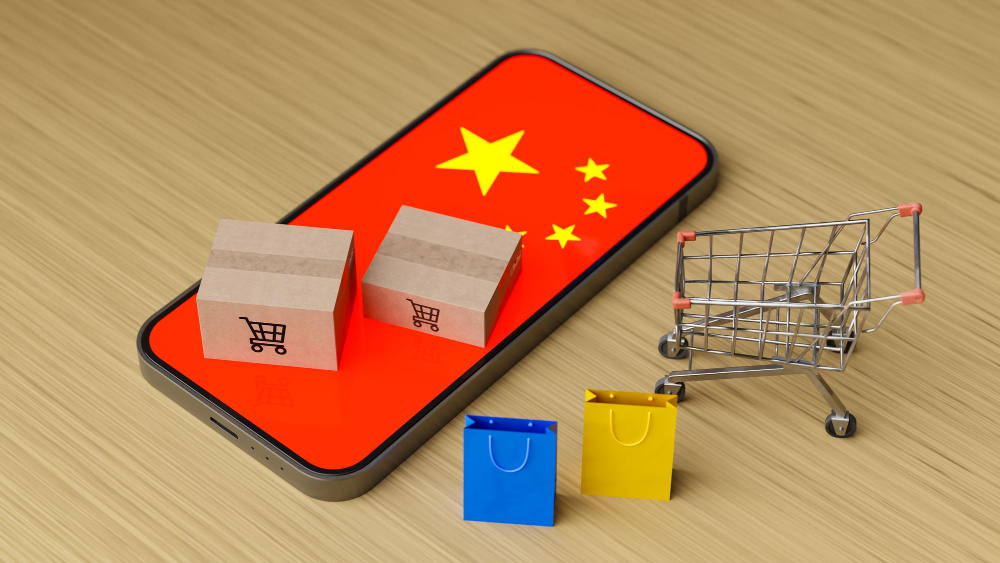
In the era of global e-commerce, sourcing products from international suppliers has never been easier. Whether you’re a small business owner, a drop shipper, or just someone looking for bulk deals, ordering products from China has become a strategic move for affordability and product variety. The best part? You can now order from China 24 hours a day, thanks to online marketplaces and supplier platforms operating around the clock.

With thousands of factories and wholesalers available online, you can explore and order at your convenience—day or night. In this step-by-step guide, we’ll walk you through how to order products from China online 24/7, and what you need to know to do it efficiently and safely.

Primary keyword: order products from China
Secondary keywords: buy from China online, 24/7 ordering from China, how to order from Chinese suppliers, Chinese wholesale websites


1. Why Order Products from China?

China is known as the world’s manufacturing hub, offering competitive prices and mass production capabilities. Whether you're sourcing electronics, clothing, packaging, or household items, China has it all.

Benefits of buying from China:

  • Lower costs per unit
  • Wide product selection
  • Direct access to manufacturers
  • Scalability for growing businesses
  • 24/7 ordering convenience via digital platforms

With platforms like Alibaba, 1688.com, and AliExpress, you can browse catalogs, chat with suppliers, and place orders at any time—no matter your time zone.


2. Choose the Right Platform

There are various online platforms that allow you to order from Chinese suppliers anytime. The platform you choose depends on your goals—whether you want wholesale pricing, dropshipping capabilities, or fast delivery.

Popular platforms to order from China 24/7:

  • Alibaba.com – Best for B2B, large volume purchases
  • AliExpress – Best for small-scale buyers and direct consumers
  • 1688.com – Best for bulk buying at domestic Chinese prices (requires agent or Chinese proficiency)
  • JD.com, DHgate – Suitable for various product categories with buyer protection
  • Taobao (via agents) – Ideal for trend-driven consumer products

Each platform has its own features, payment options, and supplier verification methods, so choose one that aligns with your needs.


3. Search and Select Products Carefully

Use search filters, categories, and keywords to narrow down the products you want. Be specific to find the most relevant items and suppliers.

Tips for product searching:

  • Use clear keywords (e.g., "wireless earbuds", "eco-friendly packaging", "baby clothes wholesale")
  • Check supplier ratings, reviews, and trade assurance
  • Compare MOQ (Minimum Order Quantity) and price ranges
  • Ask for product certifications if needed (especially for electronics or cosmetics)

Most platforms allow you to communicate with suppliers directly using online chat systems, even outside office hours—making 24/7 ordering from China truly possible.


4. Communicate with Suppliers

Before placing an order, it’s important to communicate clearly with the supplier to avoid misunderstandings. Thanks to instant messaging tools on platforms like Alibaba or AliExpress, you can message suppliers at any time.

What to ask suppliers:

  • Product specifications (material, size, color options)
  • Customization options (logo, packaging)
  • Production lead time and delivery date
  • Shipping methods and costs
  • Payment terms and refund policy

Most reputable suppliers will respond within a few hours—even during off-hours—thanks to multiple shift workers and automation tools.


5. Verify the Supplier’s Credibility

Ordering from China online 24/7 is convenient, but you should still do your due diligence to ensure supplier legitimacy.

Verification steps:

  • Check for “Gold Supplier” or Verified Supplier status on Alibaba
  • Look at years of operation, response rate, and transaction history
  • Request business licenses, product samples, or factory audit reports
  • Use Trade Assurance or platform escrow services to protect payments

Reliable suppliers should have no issue sharing their credentials and providing guarantees.


6. Place Your Order

Once you're confident in the product and supplier, it’s time to place your order.

Steps to order products from China:

  1. Confirm pricing and specifications
  2. Choose shipping terms (FOB, CIF, DDP, etc.)
  3. Review invoice or pro forma invoice (PI)
  4. Agree on production and delivery timelines
  5. Make your payment securely through the platform

Most platforms accept payments via:

  • PayPal
  • Credit/Debit Cards
  • T/T (Telegraphic Transfer)
  • Escrow or platform-protected payments

Depending on your location and the supplier’s setup, orders can be placed instantly 24/7 and confirmed the next business day.


7. Choose the Right Shipping Method

Shipping is one of the most critical aspects of buying from China. Choose the method that balances cost and speed.

Common shipping options:

  • Air Express (e.g., DHL, FedEx, UPS) – Fast but expensive
  • Air Freight – More cost-effective than express for medium shipments
  • Sea Freight – Ideal for bulk orders; slower but cheaper
  • ePacket – Good for small items via AliExpress

Always ask for a tracking number and estimate shipping time based on your region. Also factor in customs clearance and duties when applicable.


8. Track Your Order and Prepare for Delivery

Once your order is shipped, track its movement using the logistics platform or tracking ID provided. Use services like 17track.net to monitor multi-carrier shipments globally.

Tips for delivery:

  • Be available to receive and inspect goods
  • Document any damage or discrepancies immediately
  • Keep records of all communication with the supplier
  • Leave feedback or ratings to help other buyers

This final step ensures that even if you order from China at 3 a.m., your product journey stays transparent and trackable.


Conclusion

Thanks to advanced logistics and digital platforms, it’s now possible to order products from China 24/7—whether you're sourcing in bulk or buying retail items. With careful research, verified suppliers, and strong communication, the process can be smooth, secure, and surprisingly fast.

Whether you're running an online store or simply want access to affordable global products, understanding how to buy from China online empowers you to grow your business and stretch your purchasing power. So go ahead—explore, connect, and order with confidence, anytime you like.

Continue Reading

Decorating Knockdown Dog Houses: Creative Ideas for Maximum Comfort

by Anne Curtis

Introduction

A dog’s home is more than just a shelter—it’s their safe space, a place to relax, feel protected, and stay comfortable in all seasons. As pet owners increasingly treat their dogs as family members, the design and decoration of their living spaces have also evolved. One of the most flexible and cost-effective solutions today is the knockdown dog house.

Knockdown dog houses are easy to assemble, transport, and customize, making them ideal for homeowners who want a mix of convenience and functionality. But what turns a basic structure into a true canine haven is thoughtful decoration and design. In this article, we’ll explore creative ideas for decorating knockdown dog houses to give your pup the comfort, warmth, and style they deserve.

Primary Keyword: knockdown dog house
Secondary Keywords: dog house design, dog house decoration, pet house ideas, comfortable dog house, decorate dog shelter


1. Choose the Right Location First

Before you begin decorating, consider where the knockdown dog house will be placed. The location affects temperature, weather protection, and overall safety.

  • Indoor Setup: Ideal for small or short-haired dogs. Ensure the house is placed in a quiet corner away from foot traffic and direct sunlight.
  • Outdoor Setup: Choose a shaded, elevated area to avoid flooding. Use a waterproof foundation to keep the house dry and mold-free.

Once you have the location set, you can tailor the interior and exterior decoration for maximum comfort.


2. Flooring Comfort: Go Beyond the Basics

The floor is the foundation of a comfortable dog house. Many knockdown houses come with basic wooden or plastic floors that can be uncomfortable or cold.

Upgrade flooring ideas:

  • Memory foam dog bed or orthopedic pad
  • Raised pet bed to keep them off cold surfaces
  • Rubber mat for easy cleaning and insulation
  • Layered blankets for added warmth

Tip: Use washable, non-slip materials for easy maintenance.


3. Insulate for Year-Round Comfort

If your knockdown dog house is placed outdoors or in an unheated garage, insulation is a must. Extreme heat or cold can make the house uncomfortable or unsafe.

Insulation ideas:

  • Line the walls with foam panels or reflective insulation (safely tucked behind plywood)
  • Add thermal curtains inside the doorway
  • Use weather stripping to seal gaps
  • Place insulated flooring under soft bedding

This ensures your dog stays cool in summer and warm in winter.


4. Use Color and Materials That Match Your Home Style

A knockdown dog house doesn’t have to look like a plastic box. It can be part of your home’s visual aesthetic, especially if you use paint and materials creatively.

Design tips:

  • Use non-toxic, pet-safe paint to match your house or garden
  • Add wooden trims, faux windows, or a mini porch for charm
  • Use washi tape, decals, or stencils to personalize with your dog’s name
  • For indoor houses, match the cushion and fabric to your living room color palette

Not only will this make your dog’s home more attractive, but it also turns it into part of your décor.


5. Lighting and Ventilation Matter

Proper lighting and airflow can dramatically improve the quality of life inside a knockdown dog house.

  • Add a small mesh window for ventilation and light
  • Install a battery-operated LED light for visibility at night
  • Consider a solar-powered fan for summer heat
  • Use curtains or blinds inside to block sun glare or chilly winds

Remember to maintain air circulation to avoid mustiness and overheating.


6. Add Smart Storage for Dog Essentials

Turn your dog’s house into a fully functional corner by adding storage space for leashes, toys, and grooming tools.

Ideas include:

  • Attaching hanging pockets or baskets to the outside wall
  • Using a small cabinet or crate next to the house
  • Building a bench with storage nearby for outdoor use

This not only keeps your area tidy but also makes daily care easier.


7. Seasonal Themes for Fun and Variety

Your dog may not know it’s Christmas—but adding seasonal decorations can bring a fun, festive feel to their home (and yours).

Decor ideas:

  • Mini wreaths, fairy lights (safe for pets), or themed pillows
  • Halloween pumpkins, bandanas, or spooky signs
  • Summer beach theme with faux turf, pool float beds, or surfboard signs

Just make sure anything decorative is secure and chew-safe.


8. Personalize with Your Dog’s Personality

Every dog has a different personality—some love cozy dens, while others love lounging and watching the world. Decorate their knockdown dog house to reflect their unique traits.

Personal touches:

  • Name signs, monograms, or paw print art
  • Pictures of their favorite humans (laminated!)
  • A built-in treat jar or snack station
  • Scented items (like worn shirts or dog-safe lavender) for anxious dogs

These small touches help your dog feel safe, familiar, and loved.


9. Add an Outdoor Porch or Deck (Optional Upgrade)

If space allows, consider extending the knockdown house with a DIY wooden deck or covered patio. Large dogs love stretching outside their house while staying shaded.

Benefits:

  • Prevents mud or dirt being tracked in
  • Adds visual appeal
  • Offers lounging space on sunny days

A water bowl station with a spill-proof mat and a chew-resistant toy box also adds functionality.


10. Cleanliness and Maintenance Are Part of Comfort

No matter how cute your decorations are, your dog won’t be comfortable in a dirty or smelly space.

Maintenance tips:

  • Wash bedding weekly
  • Wipe down walls and flooring every few days
  • Check for moisture, insects, or mold
  • Rotate toys and remove broken items

Choose materials and design elements that are washable and easy to disinfect to keep your dog’s home healthy.


Conclusion

Decorating a knockdown dog house goes beyond making it look good—it’s about creating a personalized, comfortable, and safe haven for your furry friend. From cozy bedding and climate control to thoughtful decor and smart storage, each detail contributes to your dog’s well-being and happiness.

Whether you’re setting up indoors or outdoors, these creative ideas will help you turn a simple prefab structure into a dream home for your dog—one that reflects your love and care in every corner. And best of all, it can be done affordably, stylishly, and in harmony with your own space.

So go ahead—decorate, personalize, and give your dog the cozy retreat they truly deserve.

Continue Reading

Volleyball Game Rules: From Serve to Score Explained Clearly

by Anne Curtis

Introduction

Volleyball is one of the most popular team sports in the world—fast-paced, engaging, and perfect for both recreational play and competitive leagues. Whether you're playing on the beach, at school, or in a professional setting, understanding the official volleyball game rules is essential for fair play and enjoyment.

From the basics of serving to the detailed scoring system and player positions, volleyball is governed by a clear set of rules established by organizations like FIVB (Fédération Internationale de Volleyball). In this guide, we’ll break down everything you need to know about volleyball rules, so you can step onto the court with confidence.

Primary Keyword: volleyball game rules
Secondary Keywords: volleyball scoring rules, volleyball serve rules, volleyball regulations, rules of volleyball game


1. Objective of the Game

The primary objective in volleyball is simple: two teams compete to score points by sending the ball over the net and into the opponent’s court while preventing the opponent from doing the same. The team that wins a rally scores a point and gains the right to serve.

Each match is typically played as the best of five sets, and each set (except the deciding fifth) is played to 25 points, with a team needing at least a 2-point lead to win the set.


2. Team Composition and Rotation

A standard volleyball team has six players on the court at a time. The players are positioned in two rows:

  • Front row (attackers/blockers)
  • Back row (defenders, including the libero)

After a team wins a rally when the opponent served, they rotate clockwise, changing server and player positions. Understanding rotation is crucial, as incorrect positioning can result in a rotation fault, leading to a point for the opponent.


3. Volleyball Court Layout

The official court measures 18 meters long and 9 meters wide, divided equally by a net. Key zones include:

  • Attack line (3 meters from the net)
  • Service zone (behind the end line)
  • Front zone (between the net and attack line)

Net height differs by gender:

  • Men: 2.43 meters
  • Women: 2.24 meters

The libero, a defensive specialist, must stay in the back row and cannot complete an attack hit above the net.


4. Serving Rules in Volleyball

The serve is how every rally begins, and there are several ways to serve:

  • Underhand serve
  • Overhand serve
  • Jump serve

Key volleyball serve rules include:

  • The server must stand behind the end line until after the ball is struck.
  • The ball must go over the net without touching the antenna.
  • If the ball touches the net but still lands in bounds, it's considered in play.

If the server faults—by stepping on the line, missing the ball, or hitting it out—the point goes to the opponent.


5. Ball Contact and Hits Per Side

Each team is allowed a maximum of three hits to return the ball over the net:

  1. First contact – often a pass or dig
  2. Second contact – usually a set
  3. Third contact – typically an attack or spike

Important ball contact rules:

  • A player may not hit the ball twice in a row, except during a block.
  • The ball must be cleanly hit, not caught, carried, or thrown.
  • Blocking does not count as one of the three hits.

If a team exceeds three contacts or commits an illegal hit, the point is awarded to the opposing team.


6. Attacking and Blocking Rules

Attacks (spikes) are typically performed by front-row players, although back-row players can attack behind the attack line.

Attack rules:

  • Players cannot touch the net during a hit.
  • The ball must not cross outside the antennae.
  • A back-row player cannot jump and spike in front of the 3-meter line.

Blocking rules:

  • Only front-row players can block.
  • A block does not count as a hit.
  • Players may reach over the net to block but cannot interfere with the opponent’s play.

7. Scoring System

Volleyball uses a rally scoring system, meaning a point is scored on every rally, regardless of which team served. A set is won by the first team to reach:

  • 25 points with at least a 2-point lead (Sets 1–4)
  • 15 points with at least a 2-point lead (Set 5, if needed)

A match is won by the team that first wins three sets.

Scoring examples:

  • A ball lands out → point to opponent
  • A team hits the ball four times → fault
  • A player touches the net while attacking → fault

8. Common Faults and Violations

To play a clean game, it's essential to understand what constitutes a fault in volleyball:

  • Foot fault during serve (stepping on the end line)
  • Double hit (one player hits the ball twice in a row)
  • Lift or carry (ball rests momentarily in the hand)
  • Net touch during a play
  • Overreach (reaching over the net to interfere with opponent)
  • Back-row attack violation (back-row player attacks in front of the attack line)

Each fault results in a point for the opponent and often a change of service.


9. Substitutions and Timeouts

Each team is allowed:

  • 6 substitutions per set
  • 2 timeouts per set, each lasting 30 seconds

Substitutions must be made at the substitution zone near the net. Strategic substitutions are often used to bring in defensive or offensive specialists.


10. Basic Etiquette and Spirit of the Game

Volleyball emphasizes sportsmanship, and players are expected to:

  • Respect the referees’ decisions
  • Avoid aggressive or unsportsmanlike conduct
  • Shake hands before and after the match
  • Acknowledge faults honestly, even if unnoticed

Many leagues enforce yellow and red cards for misconduct, which can result in warnings, point losses, or disqualification.


Conclusion

Whether you're new to the sport or a seasoned player, understanding the official volleyball game rules is key to playing effectively and fairly. From mastering the serve to understanding rotations, faults, and scoring, every detail counts when you're on the court.

By following these rules and practicing regularly, you’ll improve your gameplay and contribute to a respectful and enjoyable volleyball experience for everyone involved. So next time you step onto the court, do it with confidence—knowing the game inside and out, from serve to score.

Continue Reading